




A Simple Recipe That Feels Special Every Time
In my opinion, some recipes just have that ability to make a meal feel special without requiring hours in the kitchen—and this cornish hen recipe is definitely one of them.
It looks elegant, tastes incredibly rich, and the best part? It’s surprisingly easy to make at home.
I still remember the first time I tried cooking Cornish hens. Honestly, I thought it would be complicated. I assumed it needed advanced cooking skills or some special technique. But once I actually made it, I realized something important—it’s one of the most straightforward dishes if you follow a simple method.
From my experience, this is one of those recipes that builds your confidence in the kitchen. Whether you’re cooking for your family or trying to impress guests, this dish always delivers.
If you’re looking for something that feels restaurant-quality but is still beginner-friendly, I highly recommend this recipe.
What Makes This Cornish Hen Recipe So Special
Before we get into how to cook cornish hen, it helps to understand why this dish stands out.
Cornish hens are smaller than regular chickens, and in my opinion, that’s exactly what makes them easier to cook. They cook faster, more evenly, and are much more forgiving—especially if you’re still learning.
Here’s why I personally love using them:
- Naturally tender and juicy meat
- Perfect portion size for individual servings
- Crispy skin when roasted properly
- Faster cooking time compared to whole chicken
- Easy to season and customize
From my experience, they’re one of the best options when you want something simple but still impressive.
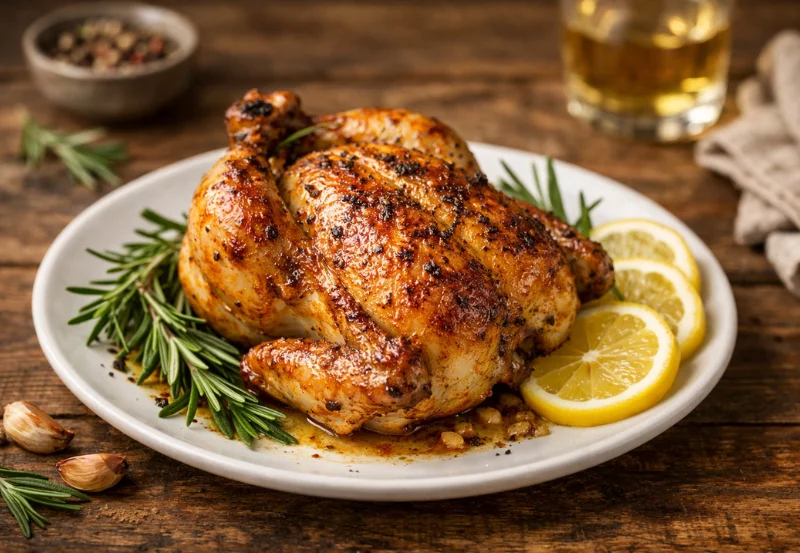
Ingredients That Actually Make a Difference
One thing I always say—you don’t need a long ingredient list to make a great dish. This roasted cornish hen recipe is all about using simple, quality ingredients.
Here’s what I usually use:
- Cornish hens (1 per person)
- Olive oil or melted butter
- Fresh garlic (highly recommended)
- Lemon juice
- Fresh herbs (thyme or rosemary work best)
- Salt and black pepper
- Paprika (optional, but great for color and flavor)
In my opinion, keeping it simple allows the natural flavor of the hen to really shine.
How to Cook Cornish Hen (Step-by-Step Guide)
This is where everything comes together, and honestly, this is my favorite part. Once you understand this process, you’ll feel confident making this dish anytime.
Step 1: Prepare the Hens
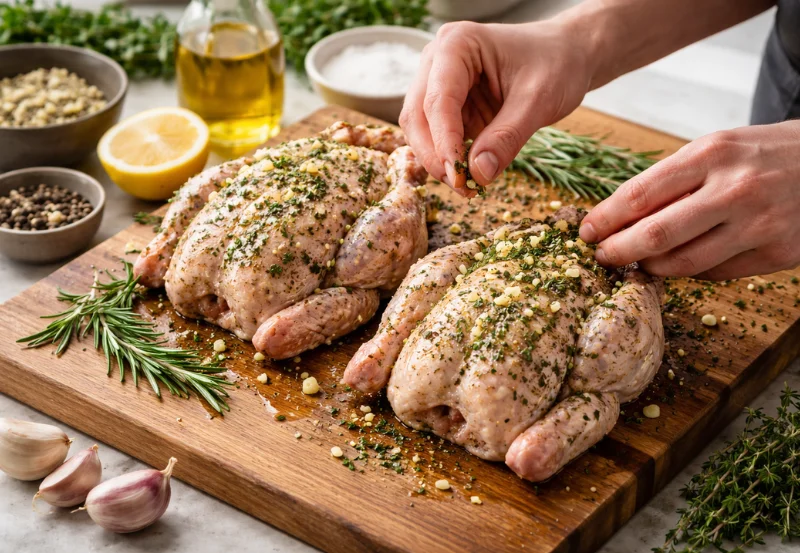
First, I always pat the hens dry using paper towels. From my experience, this is one of the most important steps because it helps the skin become crispy during roasting.
Step 2: Season Generously
I rub olive oil or butter all over the hens, making sure every part is coated. Then I season with salt, pepper, garlic, and herbs.
I also like to add lemon juice—it gives a fresh flavor that balances everything beautifully.
Step 3: Preheat the Oven
For the best cornish hen recipe oven method, I set the oven to 400°F (200°C).
In my opinion, this temperature is perfect. It gives you crispy skin while keeping the inside juicy.
Step 4: Roast the Hens
Place the hens in a roasting pan and cook for about 45–55 minutes, depending on their size.
I usually baste them once or twice during cooking. From my experience, this keeps the meat moist and flavorful.
Step 5: Let Them Rest
Once they’re done, I let them rest for about 10 minutes before serving.
This step might seem small, but it makes a big difference. It helps the juices settle, making the meat more tender.
Why This Method Works So Well
A lot of people overcomplicate cooking, but this method keeps things simple while still delivering great results.
Here’s why it works:
- High heat creates crispy skin
- Drying the hens prevents soggy texture
- Basting keeps the meat juicy
- Resting locks in moisture
- Simple seasoning enhances natural flavor
In my opinion, once you understand these basics, cooking becomes much easier.
Easy Cornish Hen Recipe for Beginners
If you’re new to cooking, don’t worry—this is actually an easy cornish hen recipe for beginners.
From my experience, beginners often struggle when recipes have too many steps or complicated instructions. This one is different.
You really just need to focus on three things:
- Season properly
- Use the right oven temperature
- Avoid overcooking
That’s it. Once you get these basics right, everything else becomes simple.
Tips That Make a Big Difference
I’ve made this dish many times, and I can tell you—small details really matter.
Here are a few tips I always follow:
- Always dry the skin before seasoning
- Use fresh garlic instead of garlic powder
- Don’t overcrowd the pan
- Check internal temperature (165°F / 74°C)
- Let the hens rest before cutting
From my experience, these small habits can take your dish from good to amazing.
How to Customize This Recipe Easily
One of the things I love about this recipe is how flexible it is.
You can easily change flavors depending on your mood or what you have at home.
Some variations I recommend:
- Add butter and garlic for a richer taste
- Use smoked paprika for a deeper flavor
- Add vegetables like carrots or zucchini to the pan
- Try herbs like oregano or sage
- Use a honey-mustard glaze for a sweet twist
In my opinion, experimenting like this helps you make the recipe your own.
Best Ways to Serve Cornish Hen
Serving is just as important as cooking.
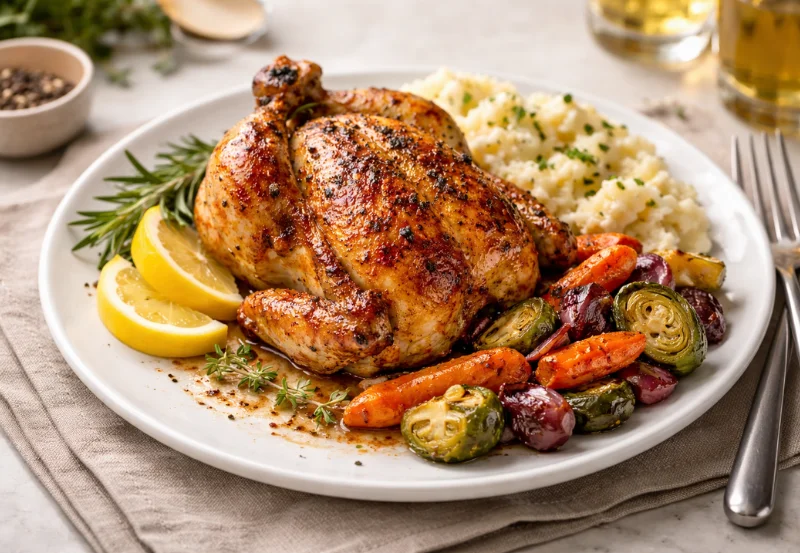
Since this dish is rich and flavorful, I usually pair it with lighter sides to keep everything balanced.
Here are some great options:
- Roasted vegetables
- Mashed cauliflower (great low-carb option)
- Fresh green salad
- Rice or quinoa
- Steamed broccoli or green beans
From my experience, simple sides work best and allow the flavor of the hen to stand out.
Common Mistakes to Avoid
Even though this recipe is simple, there are a few mistakes that can affect your results.
I’ve made some of these myself, so I highly recommend avoiding them:
- Cooking at too low temperature
- Not drying the skin
- Overcooking the meat
- Under-seasoning
- Cutting immediately without resting
In my opinion, avoiding these mistakes will make a noticeable difference.
How to Store and Reheat Leftovers
If you have leftovers, don’t worry—this dish stores really well.
Here’s what I usually do:
- Store in an airtight container in the fridge for up to 3 days
- Reheat in the oven instead of microwave
- Add a little butter or broth to keep it moist
From my experience, reheating slowly helps maintain both flavor and texture.
Why This Cornish Hen Recipe Is Worth Trying
At the end of the day, I always ask—does this recipe actually fit real life?
For me, this one definitely does.
It’s:
- Easy to prepare
- Perfect for beginners
- Great for both everyday meals and special occasions
- Full of flavor
- Reliable every single time
In my opinion, that’s what makes this one of the best cornish hen recipe options you can try.
Final Thoughts
If you’re looking for a dish that feels special but is still simple to make, I truly recommend trying this recipe.
It’s one of those meals that looks impressive but doesn’t require complicated steps. And once you make it once, you’ll realize just how easy it actually is.
From my experience, recipes like this are the ones you come back to again and again—and honestly, that’s what makes them truly valuable.