



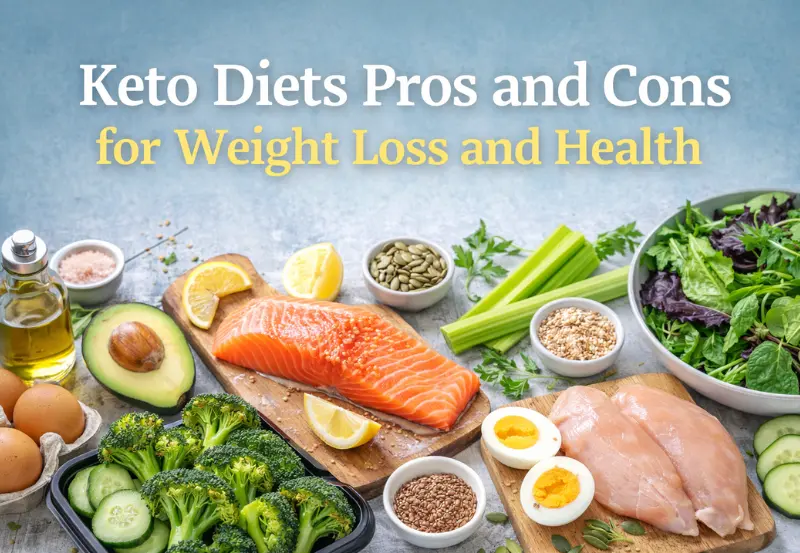
Understanding How the Keto Diet Works
Before evaluating keto diets pros and cons, it is essential to understand how the ketogenic diet functions in the body. The keto diet is a low-carbohydrate, high-fat nutritional strategy designed to shift the body into a metabolic state called ketosis.
Under normal conditions, your body uses glucose from carbohydrates as its primary energy source. When carbohydrate intake is drastically reduced, insulin levels fall, and the body begins breaking down fat for fuel. The liver converts fatty acids into ketones, which then become the alternative energy source.
This metabolic shift is the foundation behind many of the claimed benefits and concerns surrounding keto diets pros and cons discussions.
A properly structured keto diet plan typically limits carbohydrate intake to 20–50 grams per day, increases healthy fats, and maintains moderate protein levels. However, variations such as a high protein keto diet modify macronutrient ratios to better suit individual goals.
Understanding the science behind ketosis helps clarify both the potential advantages and limitations of this dietary approach.
Pros of Keto Diet for Weight Loss and Metabolic Health
One of the primary reasons people research keto diets pros and cons is weight loss. The pros of keto diet are largely linked to its impact on insulin, appetite, and fat metabolism.
Here are some widely recognized advantages:
- Reduced insulin levels that promote fat burning
- Natural appetite suppression due to ketone production
- Stable blood sugar levels
- Reduced cravings for refined carbohydrates
- Potential improvement in metabolic flexibility
- Faster initial weight loss due to water reduction
When insulin levels remain low, stored body fat becomes more accessible. Many individuals report decreased hunger within the first few weeks of following a keto diet plan.
Additionally, because fat and protein are more satiating than refined carbohydrates, calorie intake often decreases without conscious restriction.
Another advantage often cited in pros of keto diet discussions is improved energy stability. Many of these benefits of keto diet are discussed in more detail in structured research and real-world applications.
However, while these benefits can be significant, they depend heavily on food quality and consistency.

The Role of a Structured Keto Diet Plan
Not all ketogenic diets are created equal. A well-designed keto diet plan prioritizes whole foods and balanced nutrient intake rather than simply eliminating carbohydrates.
A structured approach typically includes:
- Healthy fats such as olive oil, avocado, nuts, and fatty fish
- Moderate protein from lean meats, eggs, and poultry
- Non-starchy vegetables for fiber and micronutrients
- Adequate hydration and electrolyte balance
Without structure, individuals may overconsume processed meats and saturated fats, which can negatively impact long-term health markers.
A high protein keto diet variation increases protein intake slightly while maintaining very low carbohydrate consumption. This version may help preserve muscle mass during weight loss, especially for active individuals.
The quality of the keto diet plan determines whether benefits are sustainable or short-lived.
Why Is Keto Diet Bad for Some Individuals
While many people experience benefits, it is important to objectively examine why keto diet is bad for certain populations.
Common concerns include:
- Initial adaptation symptoms such as fatigue and headaches
- Electrolyte imbalance during early ketosis
- Digestive issues due to reduced fiber intake
- Increased LDL cholesterol in some individuals
- Difficulty maintaining long-term adherence
The first few weeks often involve what is commonly referred to as the “keto flu.” Symptoms may include dizziness, irritability, and muscle cramps. These are typically related to dehydration and electrolyte loss rather than ketosis itself.
Another reason why the keto diet is bad for some people relates to restrictive eating patterns. Eliminating entire food groups can be challenging socially and psychologically.
Additionally, certain medical conditions require careful monitoring. Individuals with kidney disease, liver disorders, or those taking glucose-lowering medications should consult healthcare professionals before starting a keto diet plan.
Understanding keto diets pros and cons requires acknowledging both benefits and potential drawbacks without exaggeration.
High Protein Keto Diet vs Traditional Keto
A high protein keto diet is a variation designed to address some limitations of the traditional approach. While classic keto emphasizes high fat and moderate protein, this modified version increases protein intake slightly.
Benefits of a high protein keto diet may include:
- Improved muscle preservation
- Increased satiety
- Better support for resistance training
- Reduced risk of excessive fat intake
- Enhanced metabolic rate during calorie deficit
This variation may be especially beneficial for individuals focused on body composition rather than rapid weight loss.
However, excessive protein can potentially reduce ketone production if carbohydrate intake is not strictly controlled.
Choosing between traditional and high protein keto diet strategies depends on personal goals, activity level, and health status.

Impact on Long Term Health
When discussing keto diets pros and cons, long-term sustainability is one of the most important factors.
Short-term weight loss is common, but maintaining results requires consistent adherence and balanced nutrition.
Potential long-term considerations include:
- Changes in cholesterol levels
- Micronutrient deficiencies if vegetable intake is too low
- Social challenges with restrictive eating
- Psychological impact of strict carbohydrate limits
Some individuals transition from strict ketosis to a moderate low-carb approach after reaching their weight goals. This flexibility may improve sustainability.
The question is not only whether keto works, but whether it can be maintained safely over time.
Cardiovascular Health and Keto Diets Pros and Cons
One of the most debated areas in keto diets pros and cons discussions is heart health. Because the ketogenic diet increases fat intake, many people question its impact on cholesterol and cardiovascular risk.
Research shows mixed results. Some individuals experience:
- Lower triglyceride levels
- Increased HDL (good cholesterol)
- Improved blood sugar control
- Reduced abdominal fat
However, others may see:
- Increased LDL cholesterol
- Higher total cholesterol
- Elevated saturated fat intake
The outcome often depends on food quality. To better understand the broader pros and cons of ketogenic eating from a clinical perspective, medical experts outline both benefits and risks. A keto diet plan based on whole foods such as olive oil, avocados, nuts, seeds, and fatty fish may produce different health markers than a plan dominated by processed meats and excessive saturated fats.
This is why evaluating keto diets pros and cons requires more nuance than simply labeling the diet “good” or “bad.”
Individual response varies significantly.
Digestive Health and Nutrient Considerations
Another important factor when examining keto diets pros and cons is digestive health.
Carbohydrates are not inherently harmful. Many carb-rich foods, such as fruits and whole grains, provide fiber and essential nutrients. When carbohydrate intake drops dramatically, fiber intake can also decline if vegetables are not prioritized.
Potential digestive challenges include:
- Constipation
- Reduced gut microbiome diversity
- Lower intake of certain vitamins
To minimize these risks, a structured keto diet plan should include a wide range of non-starchy vegetables such as spinach, broccoli, zucchini, cauliflower, and cabbage.
Hydration and electrolyte intake also play a crucial role in preventing common early adaptation symptoms.
A high protein keto diet may help maintain muscle mass but should still emphasize vegetable diversity to prevent micronutrient gaps.
Balance is essential for long-term health.
Psychological and Social Factors
Diet sustainability goes beyond biology. Keto diets pros and cons also involve behavioral and social considerations.
Strict carbohydrate restriction can:
- Make social dining more difficult
- Increase meal planning demands
- Trigger restrictive eating patterns in some individuals
- Create anxiety around food choices
For highly structured individuals, a keto diet plan may feel empowering. For others, it may feel limiting and stressful.
Understanding why keto diet is bad for certain individuals often involves psychological context rather than purely physical outcomes.
Long-term adherence depends on whether the dietary structure fits an individual’s lifestyle.
Who Should Avoid or Modify Keto
Although many people tolerate keto well, some groups should approach it cautiously.
Individuals who may need medical supervision include:
- Pregnant or breastfeeding women
- People with kidney disease
- Individuals with liver disorders
- Those on insulin or glucose-lowering medications
- People with a history of eating disorders
In these cases, the risks may outweigh the benefits without professional guidance.
Even for healthy individuals, gradual implementation of a keto diet plan may reduce adaptation symptoms.
The key is personalization rather than blind adoption.
How to Maximize the Pros of Keto Diet Safely
If someone chooses to follow keto after evaluating keto diets pros and cons, safety strategies can improve outcomes.
Consider the following guidelines:
- Prioritize whole, minimally processed foods
- Emphasize healthy fats over processed meats
- Maintain adequate protein intake
- Monitor cholesterol markers regularly
- Ensure sufficient fiber from vegetables
- Stay hydrated and replenish electrolytes
- Avoid extreme calorie restriction
A high protein keto diet variation may help protect lean muscle mass, especially for individuals engaged in resistance training.
Consistency and food quality matter more than strict perfection.

Keto Diet Plan for Balanced Implementation
A balanced keto diet plan does not rely solely on bacon and cheese. Understanding the true keto diet meaning helps prevent common beginner mistakes.
A well-rounded daily framework may include:
Breakfast
Eggs cooked in olive oil with spinach and avocado.
Lunch
Grilled chicken salad with mixed greens, olive oil, nuts, and seeds.
Dinner
Salmon with roasted broccoli and cauliflower.
Snack
Greek yogurt (unsweetened) or a handful of almonds.
This approach supports metabolic goals while reducing the risk of nutrient deficiencies.
Are Keto Diets Pros and Cons Worth It
Ultimately, the decision to follow keto depends on individual goals and health status.
The pros of keto diet include:
- Effective fat loss for many individuals
- Appetite regulation
- Improved blood sugar stability
- Reduced cravings
- Structured eating pattern
The cons include:
- Initial adaptation discomfort
- Possible cholesterol increases
- Social limitations
- Risk of nutrient gaps
- Long-term adherence challenges
Keto is not a universal solution. It is one dietary tool among many.
For some, it provides clarity and structure. For others, a moderate low-carb or balanced diet may be more sustainable.
Final Thoughts
Evaluating keto diets pros and cons requires balanced thinking rather than extreme opinions.
The ketogenic diet works by shifting the body into fat-burning mode through carbohydrate restriction. This can support weight loss, appetite control, and metabolic improvements when implemented correctly.
However, why the keto diet is bad for certain individuals often depends on health conditions, food quality, and psychological factors.
A well-structured keto diet plan built around whole foods, adequate protein, healthy fats, and vegetable diversity can improve outcomes.
For individuals prioritizing muscle preservation, a high protein keto diet may provide added support.
The most important factor is personalization. Sustainable health comes from choosing a dietary strategy that aligns with long-term goals, medical needs, and lifestyle preferences.