



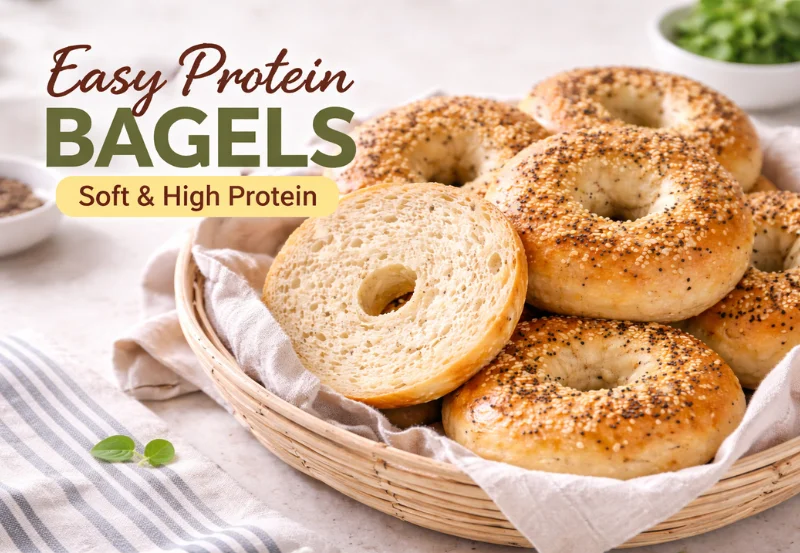
Why These Bagels Feel Different From the Start
Most people try a protein bagels recipe expecting something close to a traditional bagel, but the results often don’t meet expectations. The texture usually ends up dense or slightly dry, and instead of feeling satisfying, it feels like a compromise.
In my experience, the issue isn’t just the ingredients—it’s the balance between protein and texture. Many recipes focus heavily on increasing protein but ignore how that affects softness. That’s why the final result often feels heavy instead of light and chewy.
What makes this version different is that it focuses on both. The goal isn’t just to make high protein bagels, but to make them enjoyable. When you get that soft and slightly chewy texture right, everything changes. It stops feeling like a “healthy substitute” and starts feeling like something you’d actually want to eat.
What You Notice First When Making Them
When you begin making this easy protein bagels recipe, one thing becomes clear very quickly—the process is simple and manageable. There’s no complicated preparation or long waiting time involved.
- the dough comes together quickly without extra effort
- ingredients combine smoothly without needing constant adjustments
- the process feels straightforward and repeatable
- you don’t have to second-guess each step
This is what makes the recipe practical. It doesn’t just look easy—it actually feels easy when you’re doing it. That’s a big difference, especially if you want something you can make regularly.
Ingredients You’ll Need
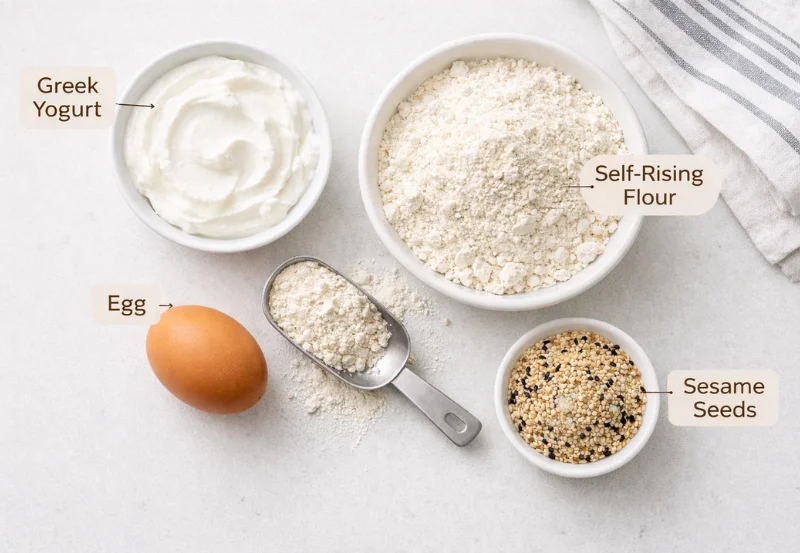
The strength of this recipe is how simple the ingredients are. You don’t need anything complicated, and each ingredient plays an important role in the final result.
- Greek yogurt
- self-rising flour (or flour + baking powder)
- egg (for brushing)
- optional toppings like sesame seeds or everything seasoning
Greek yogurt is especially important because it adds protein while also helping create a soft texture. That’s what makes these healthy protein bagels feel different from dry or dense versions.
Keeping the ingredients simple also makes the recipe more consistent. You can repeat it easily without worrying about complicated measurements or adjustments.
How to Make Protein Bagels
The process itself is straightforward, but the way you handle each step affects the final result. Start by combining your ingredients until a soft dough forms. It should feel slightly soft but still hold together.
Once the dough is ready, divide it into equal portions and shape them into bagels. Try to keep the size consistent so they cook evenly.
Place them on a baking tray and brush lightly with egg. This helps improve the texture and gives a better finish. Bake them at a moderate temperature instead of rushing with high heat.
After baking, let them rest for a few minutes. This allows the structure to settle and improves the overall texture. That small step makes a noticeable difference in how the bagels feel when you eat them.
Where Most Recipes Go Wrong
Many high protein bagels don’t turn out well because they focus too much on increasing protein and ignore how that affects the dough.
- the dough becomes too dry and difficult to handle
- the bagels turn out dense instead of soft
- the inside lacks flexibility and chewiness
- the final result feels heavy rather than balanced
Understanding this helps you avoid the same mistakes. The key is balance—not just adding protein, but making sure the texture stays soft and enjoyable.
The Texture You Should Aim For
A good bagel should have a balanced texture. It shouldn’t feel overly soft like bread, but it also shouldn’t be hard or dry.
A proper protein bagels recipe should give you a result that feels soft when pressed, slightly chewy when bitten, and strong enough to hold its shape. That balance is what makes the bagels feel complete.
In my experience, once you achieve that texture once, it becomes much easier to repeat. That’s when the recipe starts to feel reliable instead of experimental.
How the Dough Guides You
The dough itself gives you clear signals about whether you’re on the right track. A good dough should feel smooth, slightly soft, and easy to shape.
If it feels too sticky, it usually needs a small adjustment. If it feels too firm, it may need a bit more moisture. Paying attention to these small details helps you fix issues early instead of dealing with problems later.
Shaping Made Simple
Shaping is important, but it doesn’t need to be perfect. What matters most is consistency.
- keep portions similar in size
- avoid making edges too thin
- maintain even thickness throughout
- focus on structure instead of appearance
These small adjustments help the bagels cook evenly and improve the final texture without making the process complicated.
What Happens During Baking
As the bagels bake, the outer layer starts to firm up while the inside stays soft. This is exactly what you want.
Baking at a steady temperature allows the texture to develop properly. Rushing this step often leads to uneven results, where the outside is overcooked and the inside isn’t right.
This stage requires patience, but it’s where the final texture really comes together.
How to Know They’re Ready
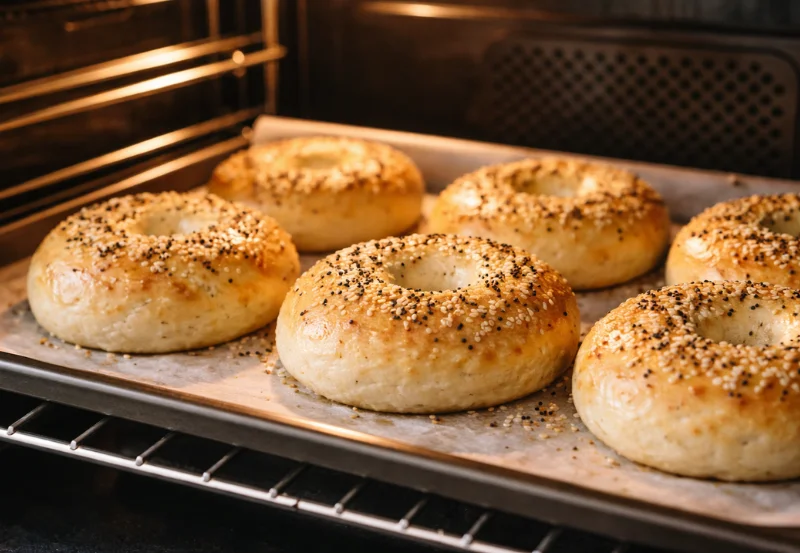
There are a few clear signs that tell you the bagels are done:
- the surface turns lightly golden
- the structure feels set but not hard
- the bagels hold their shape easily
- there’s no visible moisture on top
Recognizing these signs helps you avoid overbaking, which is one of the most common mistakes.
How They Fit Into Daily Meals
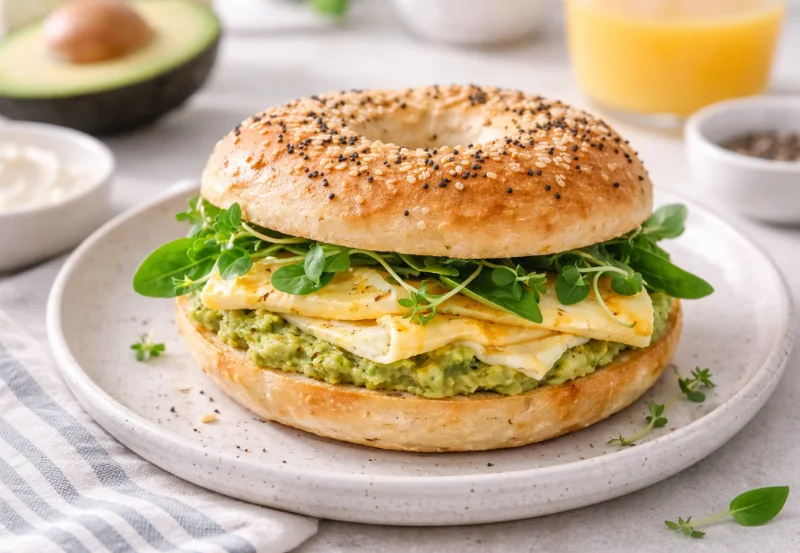
One of the best things about high protein bagels is how easily they fit into everyday meals. You’re not limited to one way of eating them.
You can use them as a base for sandwiches, enjoy them as a quick breakfast, or keep them as a snack. That flexibility makes them practical and easy to include in your routine.
Why This Recipe Works Long-Term
Some recipes are interesting the first time but don’t get repeated. This one is different because it’s simple and consistent.
Once you understand the process, it becomes something you can rely on. That’s what makes it valuable in real life—it’s not just about trying something new, it’s about finding something that works every time.
Final Thoughts
If you’ve been looking for a protein bagels recipe that actually delivers on both softness and simplicity, this one is worth trying. It’s easy to follow, easy to repeat, and fits naturally into your daily routine.
Once you get comfortable with it, it becomes something you enjoy making instead of something you struggle with. And that’s what makes a recipe truly useful.