




A Comfort Meal That Never Goes Out of Style
There’s something about a well-cooked beef roast that just feels right, especially when you’re looking for a meal that’s both satisfying and comforting. In my opinion, a good rump roast is one of those dishes that brings everything together—it’s simple, hearty, and perfect for a proper dinner.
I’ve had plenty of experiences where roast beef turned out either too tough or too dry, and honestly, that can be frustrating. But once you understand how to cook rump roast the right way, it becomes one of the most reliable meals you can make at home. It doesn’t require complicated techniques—just a few key steps done properly.
What I like most about this recipe is that it feels like real cooking. You’re not rushing, you’re not overthinking—you’re just letting the ingredients do their job. And once you get comfortable with making a rump roast, it quickly becomes something you trust for both casual meals and family dinners.
Why Rump Roast Is a Great Choice for Home Cooking
Rump roast is often overlooked compared to other cuts, but in my experience, it’s one of the most rewarding when cooked correctly.
It’s a lean cut of beef, which means it benefits from slower cooking methods. When you give it enough time, it becomes tender, juicy, and full of flavor. That’s why recipes like slow cooker rump roast or oven roasting work so well. The transformation from a firm cut into a tender dish is what makes cooking a roast so satisfying.
Here’s what makes it a great option:
- It’s affordable compared to premium cuts
- It feeds multiple people easily
- It works well with simple ingredients
- It’s perfect for both everyday meals and family dinners
From my experience, once you learn how to handle a rump roast, it becomes one of those meals you keep coming back to because it’s dependable and consistently satisfying.
What You’ll Need to Get Started
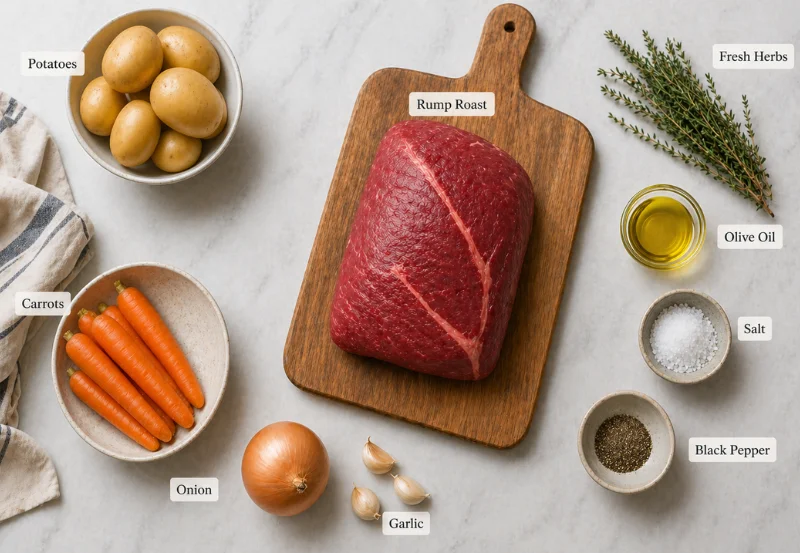
One thing I always recommend is keeping things simple, especially with a cut like this. You don’t need a long list of ingredients to make a great roast.
Ingredients
- Rump roast (about 2–3 pounds)
- Olive oil
- Garlic (minced)
- Salt
- Black pepper
- Onion
- Carrots
- Potatoes
- Beef broth
- Fresh herbs (like rosemary or thyme)
These ingredients create a balanced dish without overwhelming the natural flavor of the beef. In my experience, simple seasoning works best here because it allows the roast to stay the star of the meal.
Preparing the Roast for Maximum Flavor
Before cooking, preparation plays a big role in how your roast turns out.
Start by patting the meat dry. This helps you get a better sear, which adds flavor and improves texture. Then season it generously with salt, pepper, and garlic. Don’t be shy here—this is where the base flavor comes from.
Heat a bit of oil in a pan and sear the rump roast on all sides until it develops a brown crust. This step is often skipped, but in my opinion, it makes a noticeable difference. It locks in flavor and gives the roast a deeper, richer taste.
Once that’s done, you’re ready to move on to cooking, and this is where patience really starts to pay off when working with a rump roast.
Two Simple Ways to Cook It Perfectly
One of the best things about this recipe is that you have options depending on your schedule and cooking style.
Oven Method (Classic Approach)
If you enjoy a traditional cooking method, an oven baked rump roast is the way to go.
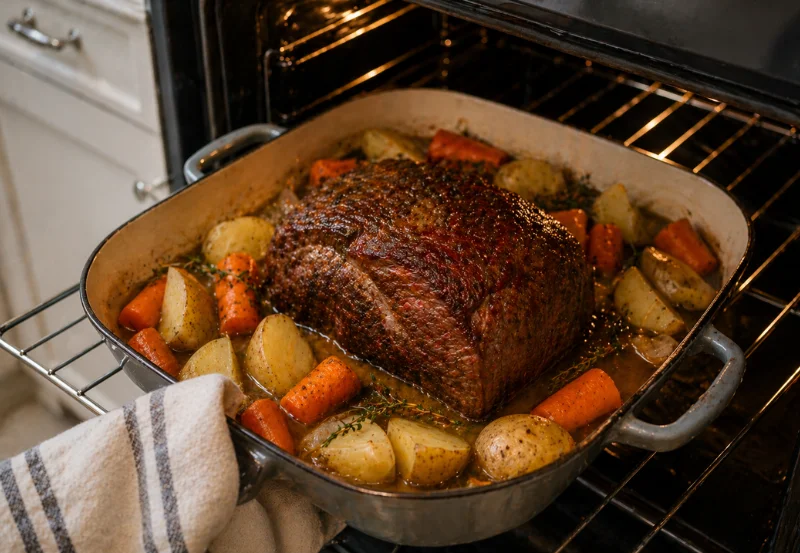
Place the seared roast in a roasting pan along with chopped onions, carrots, and potatoes. Add a bit of beef broth to keep everything moist and to create a flavorful base.
Cook at 325°F (163°C) for about 2.5 to 3 hours, depending on the size. The key here is low and slow cooking. This helps break down the fibers and makes the roast tender.
Make sure to check occasionally and spoon some juices over the roast. This keeps it moist and helps develop deeper flavor throughout the cooking process.
Slow Cooker Method (Set and Forget)
If you prefer convenience, a slow cooker rump roast is perfect.
Place the roast in the slow cooker, add vegetables, broth, and herbs, then cook on low for 7–8 hours.
In my experience, this method is the most forgiving. It’s hard to mess up, and the result is consistently tender meat that practically falls apart. This is one of the easiest ways to ensure your roast turns out soft and juicy without constant monitoring.
Why Adding Vegetables Makes It Better
Cooking a rump roast with vegetables isn’t just about convenience—it actually improves the dish in a big way.
As the roast cooks, the vegetables absorb all the juices and flavors from the meat. At the same time, they release their own flavors back into the broth, creating a richer and more balanced taste.
I personally like using:
- Carrots for sweetness
- Potatoes for heartiness
- Onions for depth
This combination turns your roast into a complete, satisfying meal without needing extra sides, which makes it perfect for busy days.
How to Know When It’s Done
One of the most common questions is knowing when the roast is ready.
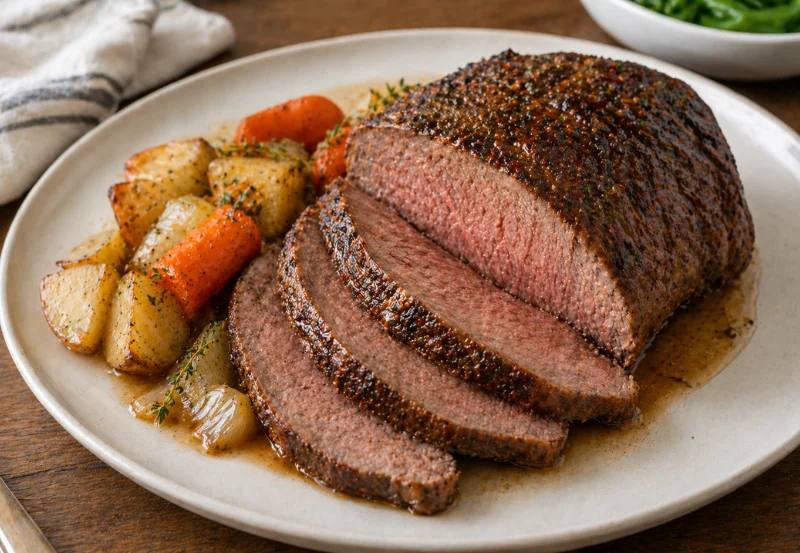
The best way is to check if the meat is fork-tender. If it pulls apart easily, it’s done. If it still feels tough, it needs more time.
In my experience, patience is everything here. A properly cooked roast is never rushed. Giving it enough time is what allows it to become tender and juicy instead of tough.
Simple Tips That Make a Big Difference
Over time, I’ve noticed a few small things that consistently improve the outcome of a rump roast recipe:
- Always sear the meat before cooking
- Cook at a lower temperature for longer time
- Use enough liquid to keep the roast moist
- Let the meat rest before slicing
These might seem like minor details, but they’re what take your roast from average to something that feels well-prepared and satisfying.
Mistakes to Avoid When Cooking Rump Roast
There are a few common mistakes that can affect the final result.
One of the biggest is cooking at too high a temperature. This causes the rump roast to tighten up and become tough instead of tender.
Another mistake is not giving it enough time. This cut isn’t meant for quick cooking—it needs slow, steady heat to break down properly.
Also, skipping seasoning or using too little liquid can make the dish feel dry and bland. In my experience, a properly cooked roast always has enough moisture and balanced seasoning.
Ways to Customize the Flavor
Once you’re comfortable with the basic recipe, you can easily adjust it.
You can:
- Add Worcestershire sauce for depth
- Use red wine instead of broth for richness
- Add mushrooms for extra flavor
- Experiment with different herbs
These small changes let you create different variations without changing the core method of cooking a rump roast.
Why This Recipe Works for Everyday Cooking
What I like most about this rump roast recipe is how practical it is.
It’s not just a one-time meal—it’s something you can make again and again. It’s reliable, filling, and doesn’t require constant attention.
Whether you use the oven or a slow cooker, the result is a tender, flavorful rump roast that fits into everyday life without stress. That’s what makes it a great choice for regular cooking.
Final Thoughts
A good rump roast doesn’t need to be complicated to turn out well. With the right approach, it becomes one of the most dependable meals you can make.
In my experience, once you understand the basics—low heat, enough time, and simple seasoning—you’ll never struggle with it again. Cooking a roast becomes less about following strict steps and more about understanding the process.
If you’re looking for a dinner that’s hearty, satisfying, and easy to prepare, this recipe is definitely worth trying. And once you make it a couple of times, it’ll likely become part of your regular rotation without you even thinking about it.