



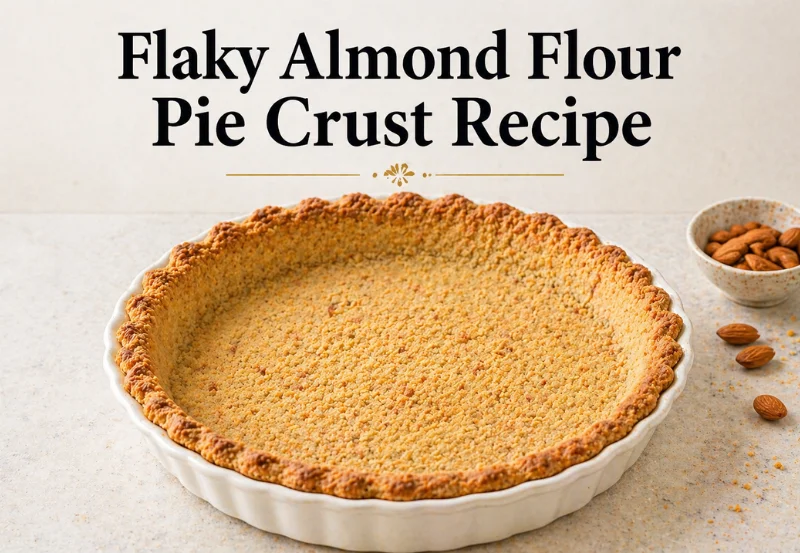
Getting Almond Flour Pie Crust Right
If you’ve worked with almond flour before, you already know it behaves very differently than regular flour. It doesn’t contain gluten, which means it won’t naturally stretch or hold together the same way. That’s usually where most problems start when making an almond flour pie crust.
In my experience after testing different variations, the key isn’t just following steps—it’s understanding how the ingredients interact. You need the right balance of fat, moisture, and pressure when shaping the crust.
Once you get that balance right, everything becomes much easier. The dough holds together, bakes evenly, and doesn’t crumble when sliced. That’s the point where making an almond flour pie crust starts feeling reliable instead of frustrating.
What You Need (And Why Each Ingredient Matters)
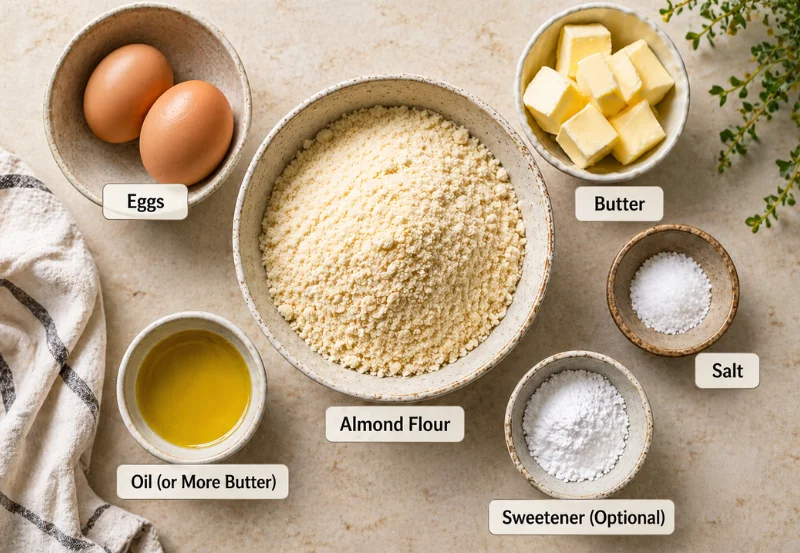
The ingredient list for an easy almond flour crust is simple, but each component plays an important role.
- Almond flour – The base of your crust. It provides structure but needs support since it’s naturally soft.
- Egg – Acts as the binder that holds everything together.
- Butter or oil – Adds richness and helps create a slightly flaky texture.
- Salt – Enhances flavor in both sweet and savory versions.
- Optional sweetener – Useful if you’re making a dessert pie.
From what I’ve seen, most issues with an almond flour pie crust come from imbalance. Too little fat makes it dry, while too much moisture can make it too soft. Getting this right is what makes the crust dependable.
The Easiest Way to Shape This Crust Without Breaking It
Unlike traditional dough, you don’t need to roll this crust in the same way. In fact, trying to roll an almond flour pie crust often leads to cracks and frustration.
What I recommend instead is pressing the dough directly into your pie pan. Start in the center and gently press outward using your fingers or the back of a spoon. This method gives you more control and helps prevent breaking.
Take your time here. In my experience, shaping is where you build the foundation for a crust that holds together after baking.
Baking It So It Holds Together
Baking is where your almond flour pie crust either comes together or falls apart.
Pre-baking is essential. It sets the structure before you add any filling and prevents the crust from becoming soggy later.
Bake at 350°F (175°C) until the edges turn lightly golden. That golden color is important—it means the crust has firmed up properly.
From my experience, underbaking is one of the most common mistakes. Even if it looks done, a few extra minutes can make a big difference in how well your almond flour pie holds together.
How to Get a Flaky Texture Without Regular Flour
Creating a flaky texture in an almond flour pie crust is different from traditional baking, but it’s definitely achievable.
The texture comes from how fat is distributed in the dough and how it bakes. When done correctly, it creates a light, slightly crumbly but stable crust.
To improve texture:
- Use enough fat (butter or oil)
- Avoid overmixing the dough
- Bake until lightly golden
- Allow the crust to cool completely
In my experience, cooling is just as important as baking. That’s when the structure sets and the crust becomes firm and slightly flaky.
Making It Work for Keto and Low Carb
One of the biggest advantages of using an almond flour pie is how naturally it fits into a low carb lifestyle.
This works perfectly as a:
- keto almond flour pie crust
- low carb pie crust recipe
Since almond flour is already low in carbs, you don’t need complicated substitutions. That’s what makes this approach simple and practical.
In my experience, recipes like this are easier to stick with because they don’t feel restrictive—they just work.
Sweet or Savory? Adjusting the Flavor Easily
One thing I really like about this crust is how flexible it is.
For sweet recipes:
- Add a small amount of sweetener
- Include vanilla extract
- Try a pinch of cinnamon
For savory dishes:
- Add herbs like thyme or oregano
- Use garlic powder
- Include a bit of grated cheese
This makes your almond flour pie crust adaptable without needing a completely new recipe every time.
Turning This Into a Perfect Tart Crust
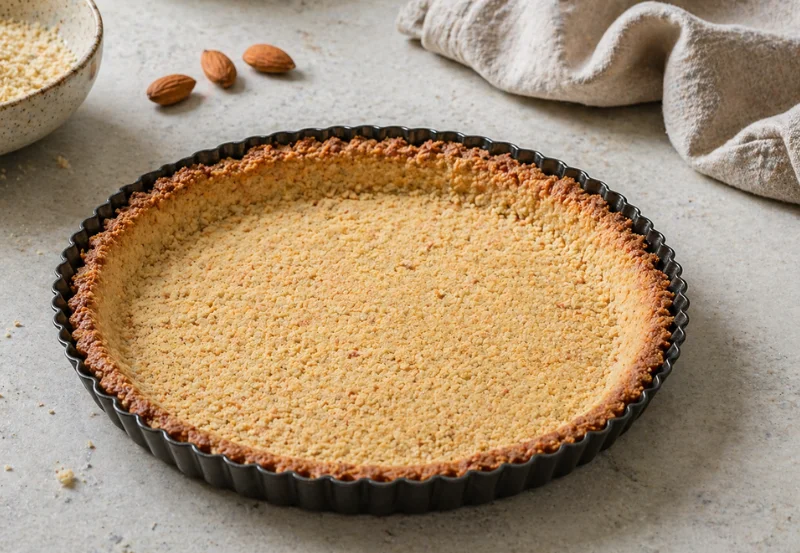
This recipe also works well as an almond flour tart crust, which is great if you want something slightly more refined.
To adjust it:
- Press the dough thinner
- Use a tart pan for better shaping
- Bake slightly longer for crisp edges
In my experience, tart crusts benefit from a firmer texture, and these small adjustments help you achieve that.
What Usually Goes Wrong (And How to Fix It)
Even a simple recipe can go wrong if small details are overlooked.
Common problems include:
- Crust crumbling → needs more binding
- Too soft → underbaked
- Too dry → not enough fat
- Uneven baking → inconsistent thickness
The good thing is these issues are easy to fix once you recognize them. Most problems with an almond flour pie crust come down to small adjustments.
Small Changes That Make a Big Difference
Over time, I’ve noticed that small tweaks can completely improve the final result of an easy almond flour crust.
Quick Tips for Best Results:
- Use fine almond flour for smoother texture
- Press the dough evenly into the pan
- Always pre-bake before adding filling
- Let the crust cool completely before using
These simple steps make your almond flour pie crust much more consistent and reliable.
Can You Make It Ahead or Store It?
Yes—and this is one of the reasons this recipe works well in real life.
You can:
- Store the dough in the fridge for up to 2 days
- Pre-bake and store the crust
- Freeze it for longer storage
Just make sure it’s covered properly to prevent drying out.
From my experience, having a ready-to-use almond flour pie crust makes baking much more convenient.
Why This Recipe Works Better Than Most
What makes this recipe stand out is how balanced it is.
It doesn’t rely on complicated techniques or unusual ingredients. It focuses on getting the basics right—proper ratios, simple steps, and small details that matter.
That’s why this almond flour pie crust turns out consistent. It holds together, has a good texture, and works for both sweet and savory recipes.
In my experience, the best recipes are the ones you can trust without overthinking, and this is one of them.
Final Thoughts
Making an almond flour pie crust doesn’t have to feel complicated or unpredictable. Once you understand how it works, it becomes something you can confidently make anytime.
With the right balance of ingredients and a simple method, you can create a crust that holds together, has great texture, and fits perfectly into both keto and low carb recipes.
And honestly, once you get this right, you’ll realize how easy it is to make an almond flour pie crust that actually holds together and tastes just as good as you expect.