



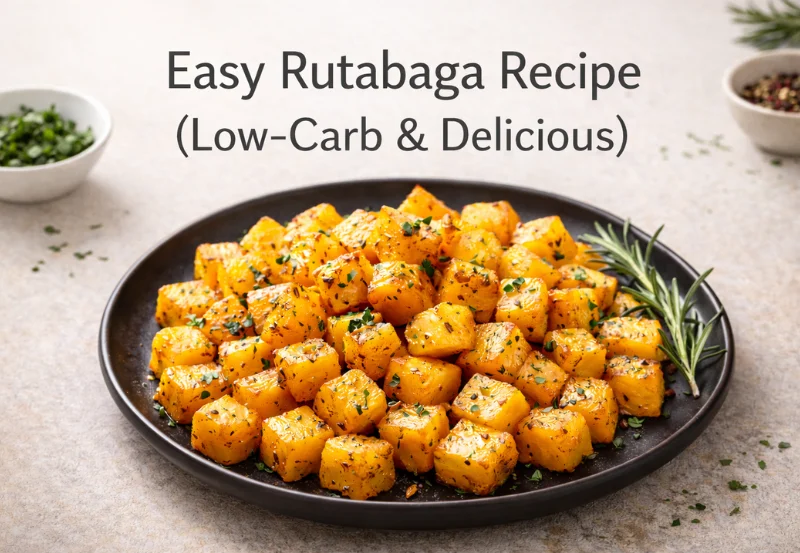
A Simple Recipe That Feels Healthy and Comforting
In my opinion, some vegetables don’t get the attention they deserve—and rutabaga is definitely one of them. This rutabaga recipe is one of those dishes that feels both comforting and healthy at the same time.
I still remember the first time I tried cooking rutabaga at home. Honestly, I didn’t expect much. I thought it might be bland or difficult to prepare. But once I actually learned how to cook rutabaga properly, everything changed.
From my experience, rutabaga has a naturally mild and slightly sweet flavor that becomes incredibly satisfying when cooked the right way. And the best part is—it’s much easier than most people think.
If you’re looking for something low-carb, simple, and genuinely delicious, I highly recommend trying this recipe.
What Makes Rutabaga So Special
Before we get into cooking, it helps to understand why this vegetable stands out.
Here’s why I personally love using rutabaga:
- Naturally low in carbs, making it perfect for keto meals
- Slightly sweet and earthy flavor when cooked
- Soft and creamy texture that feels comforting
- Works well in different types of dishes
- Great option for rutabaga recipes healthy
From my experience, it’s one of the most underrated vegetables you can add to your meals.
Ingredients That Actually Matter
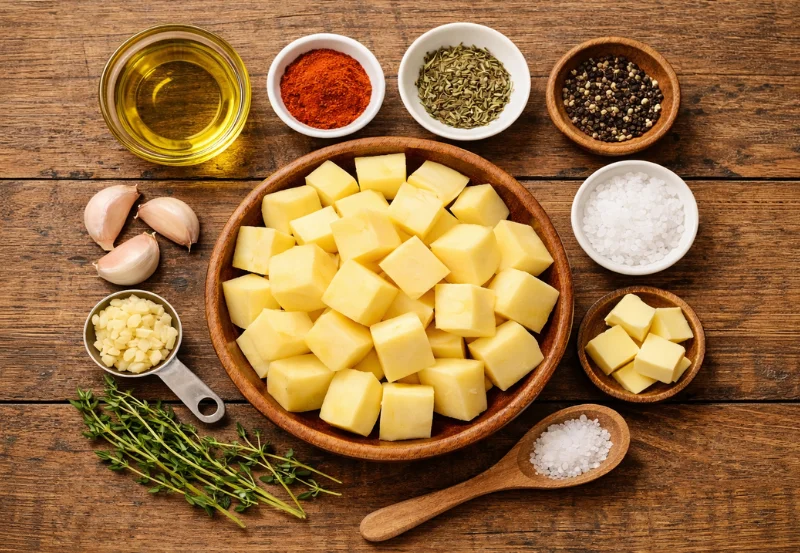
One thing I always say—you don’t need a long list of ingredients to make something taste great. This easy rutabaga recipe for beginners keeps everything simple and effective.
Here’s what I usually use:
- 1 large rutabaga (peeled and cubed)
- 2 tablespoons olive oil or butter
- 3 cloves fresh garlic (minced)
- Salt and black pepper
- Optional: paprika or herbs like thyme
In my opinion, using simple ingredients allows the natural flavor of rutabaga to really stand out.
How to Cook Rutabaga
This is where everything comes together, and honestly, this is my favorite part. Once you understand this process, cooking rutabaga becomes very easy.
First, I peel the rutabaga and cut it into small, even cubes. From my experience, this step is very important because uneven pieces can cook differently and affect the texture.
Next, I place the cubes in a bowl and toss them with olive oil, garlic, salt, and pepper. I like to keep the seasoning simple so the natural flavor stays the focus.
Then, I preheat the oven to 400°F (200°C). This temperature works perfectly for a roasted rutabaga recipe, helping you achieve a slightly crispy outside with a soft inside.
After that, I spread the cubes evenly on a baking tray. I make sure not to overcrowd the tray because that can prevent proper roasting. I cook them for about 30–40 minutes, flipping them halfway through.
Once done, I serve them warm. The outside gets a little crispy while the inside becomes soft and creamy.
Why This Method Works So Well
In my opinion, this method works because it keeps everything simple and focused.
From my experience, high heat helps bring out the natural sweetness of rutabaga, which makes a big difference in taste. Roasting also creates a better texture compared to boiling, giving you that slightly crispy outside.
Even cutting ensures everything cooks evenly, while simple seasoning enhances the flavor instead of overpowering it. Once you understand this method, you’ll feel much more confident cooking rutabaga in different ways.
Easy Rutabaga Recipe for Beginners
If you’re new to cooking, I honestly think this is one of the easiest recipes to start with.
From my experience, beginners usually struggle when recipes feel complicated. But this one is very straightforward and forgiving.
You don’t need advanced skills—just focus on cutting evenly, using the right temperature, and not overcooking. Once you get these basics right, everything becomes simple.
That’s why I always recommend this as an easy rutabaga recipe for beginners.
Different Ways You Can Cook Rutabaga
If you’re wondering how to cook rutabaga beyond roasting, there are actually several options you can try.
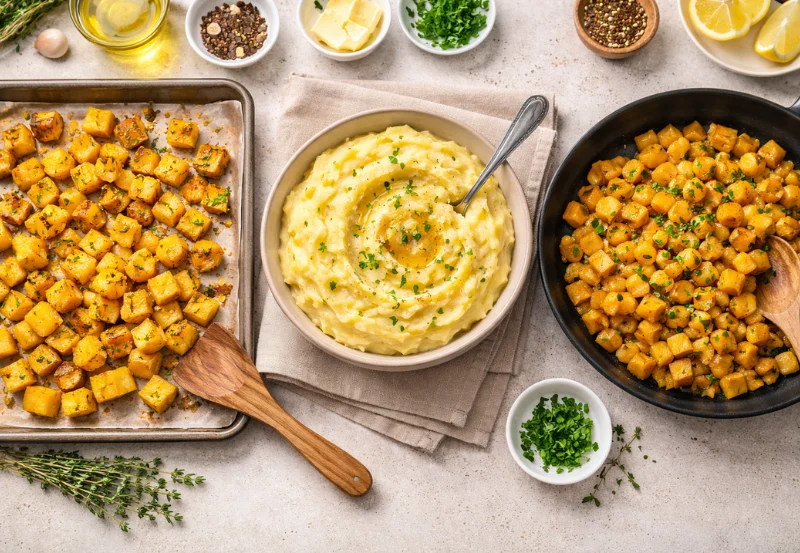
From my experience, boiling rutabaga and mashing it creates a soft and creamy texture that works well as a comfort dish. You can also sauté it in a pan with butter and garlic for a quick and flavorful side.
Some people even add rutabaga to soups or stews because it absorbs flavors really well. In my opinion, roasting is still the best starting point, especially if you’re making a roasted rutabaga recipe, but it’s nice to know you have options.
This flexibility is what makes rutabaga such a useful ingredient in everyday cooking.
Tips That Make a Big Difference
I’ve made this dish many times, and I can tell you—small details really matter.
Here are a few tips I always follow:
- Cut pieces evenly for better cooking
- Don’t overcrowd the tray
- Use enough oil for proper roasting
- Flip halfway through cooking
- Adjust seasoning at the end
From my experience, these small habits can really improve your final result.
How to Customize This Recipe Easily
One of the things I love about this recipe is how flexible it is. You can easily adjust it based on your taste.
In my opinion, adding butter and garlic gives it a richer flavor, while chili flakes can add a bit of heat. You can also mix rutabaga with other vegetables like carrots or zucchini to create more variety.
From my experience, experimenting with different herbs or small variations helps you enjoy the recipe even more.
Best Ways to Serve Rutabaga
Serving matters just as much as cooking.
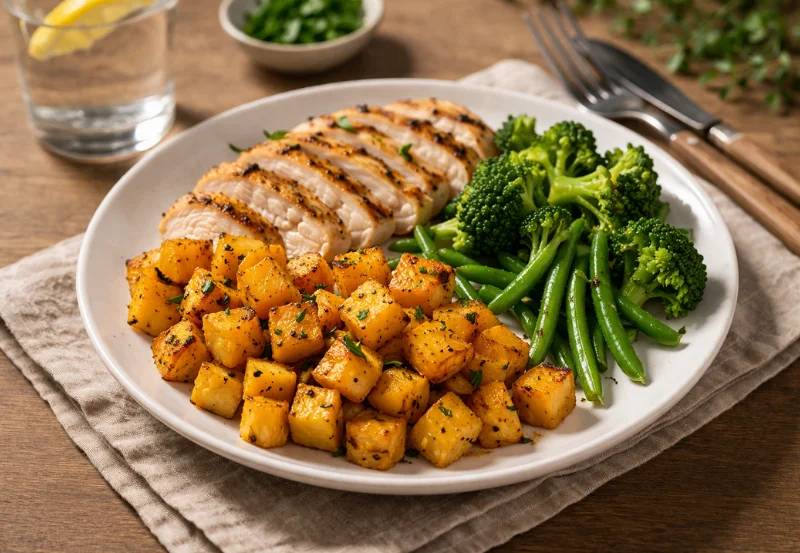
Since rutabaga is light and healthy, I usually pair it with simple meals. From my experience, it works really well as a side dish with grilled chicken or fish.
It can also be used as a low-carb alternative to potatoes, which makes it perfect for keto meals. You can even combine it with salads or serve it alongside other roasted vegetables for a balanced plate.
Simple combinations always give the best results.
Is Rutabaga Good for a Low-Carb Diet?
In my opinion, this is one of the biggest reasons people are starting to use rutabaga more often.
From my experience, finding a good low-carb alternative that actually tastes satisfying can be difficult. Rutabaga solves that problem really well.
It’s naturally lower in carbs than potatoes, which makes it ideal for keto-friendly meals. What I like most is that it doesn’t feel like a replacement—it has its own unique flavor and texture.
If you’re trying to eat healthier or reduce carbs, I strongly recommend adding rutabaga to your meals. It’s simple, filling, and very versatile.
Common Mistakes to Avoid
Even though this recipe is simple, there are a few mistakes that can affect your results.
I’ve made some of these myself, so I highly recommend avoiding them:
- Cutting pieces too large
- Cooking at low temperature
- Overcrowding the tray
- Under-seasoning
- Overcooking until mushy
In my opinion, avoiding these mistakes will make a big difference.
How to Store and Reheat Leftovers
If you have leftovers, don’t worry—this recipe stores really well.
From my experience, storing it in an airtight container in the fridge for up to three days works best. When reheating, I prefer using the oven or a pan instead of a microwave because it keeps the texture better. Adding a little oil or butter while reheating also helps bring back the flavor.
Why This Rutabaga Recipe Is Worth Trying
At the end of the day, I always ask one simple question—does this recipe fit real life?
For me, this one definitely does. It’s easy to prepare, beginner-friendly, and doesn’t require complicated steps. It’s also healthy, low in carbs, and full of flavor. From my experience, these are the kinds of recipes you keep coming back to.
What really makes this recipe stand out is how reliable it is. You don’t need special skills or expensive ingredients, and it still turns out great every time. That’s something I personally value because it makes cooking feel simple and enjoyable.
Final Thoughts
If you’ve never tried rutabaga before, I highly recommend starting with this recipe. It’s simple, healthy, and surprisingly delicious once you understand how to cook rutabaga properly.
From my experience, once you try it, you’ll realize how easy it is to include in your regular meals. And honestly, that’s what makes a recipe truly valuable.