




Understanding the Keto Diet and How It Works
The ketogenic diet is a low-carbohydrate, high-fat eating approach designed to shift the body into a metabolic state called ketosis. In ketosis, your body burns fat for fuel instead of glucose. This shift is the foundation behind most keto diet benefits, especially fat loss and improved metabolic control.
Normally, carbohydrates break down into glucose, which becomes your primary energy source. When carb intake is drastically reduced, insulin levels drop, and the liver begins converting fat into ketones. These ketones then fuel the brain and body.
This metabolic transition explains why so many people experience noticeable changes in weight, energy levels, appetite control, and even mental clarity. However, understanding both the positive and negative sides is essential before committing to long-term dietary change.
Keto Diet Benefits for Weight Loss
One of the most researched keto diet benefits for weight loss is its ability to reduce body fat efficiently. The mechanism behind this is both hormonal and metabolic.
Here’s why keto supports fat loss:
- Lower insulin levels promote fat burning
- Reduced carbohydrate intake decreases water retention
- Higher protein intake preserves muscle mass
- Ketones suppress appetite naturally
- Stable blood sugar reduces cravings
When insulin drops, the body becomes more efficient at accessing stored fat. Unlike high-carb diets that promote glucose dependency, keto encourages fat oxidation. Many individuals report reduced hunger within the first week, making calorie control easier without intentional restriction.
Additionally, the appetite-suppressing effect of ketones makes it easier to avoid emotional snacking. This is a major advantage for people who struggle with portion control.
It’s important to remember that while the keto diet benefits include rapid initial weight loss, some of this is water weight. Sustainable fat loss depends on maintaining a calorie balance over time.

Better Blood Sugar Control and Insulin Sensitivity
Another major reason people explore keto diet benefits is blood sugar management. By minimizing carbohydrate intake, the body experiences fewer glucose spikes.
Key metabolic improvements include:
- Reduced blood glucose fluctuations
- Lower insulin production
- Improved insulin sensitivity
- Decreased sugar cravings
- More stable energy throughout the day
For individuals with insulin resistance or prediabetes, carbohydrate restriction may significantly improve metabolic markers. However, anyone with diabetes should consult a healthcare professional before making changes, especially if taking medication.
Stable blood sugar is not just about diabetes prevention. It also influences mood, cognitive performance, and hunger regulation.
Mental Clarity and Energy Stability
Many people report improved focus once they adapt to ketosis. Unlike glucose, which can create energy spikes and crashes, ketones provide steady fuel for the brain.
Some reported cognitive benefits include:
- Improved concentration
- Reduced brain fog
- Sustained energy levels
- Better mood stability
- Decreased afternoon fatigue
The brain efficiently uses ketones for energy. Some researchers believe this may explain why ketogenic diets are being studied for neurological conditions.
However, adaptation takes time. During the first 1–2 weeks, some individuals experience fatigue or headaches, commonly referred to as the “keto flu.” Proper hydration and electrolyte intake can minimize these symptoms.
Appetite Control and Hormonal Regulation
Hunger hormones play a significant role in weight management. Keto influences ghrelin (the hunger hormone) and leptin (the satiety hormone).
When fat intake increases and carbohydrates decrease:
- Satiety improves
- Cravings reduce
- Emotional eating decreases
- Snacking frequency declines
Protein and fat are more satiating than refined carbohydrates. This makes portion control more natural rather than forced.
Among the most practical keto diet benefits is the reduction in constant hunger. Many individuals naturally transition from three meals plus snacks to two structured meals without feeling deprived.
Cardiovascular and Metabolic Health Markers
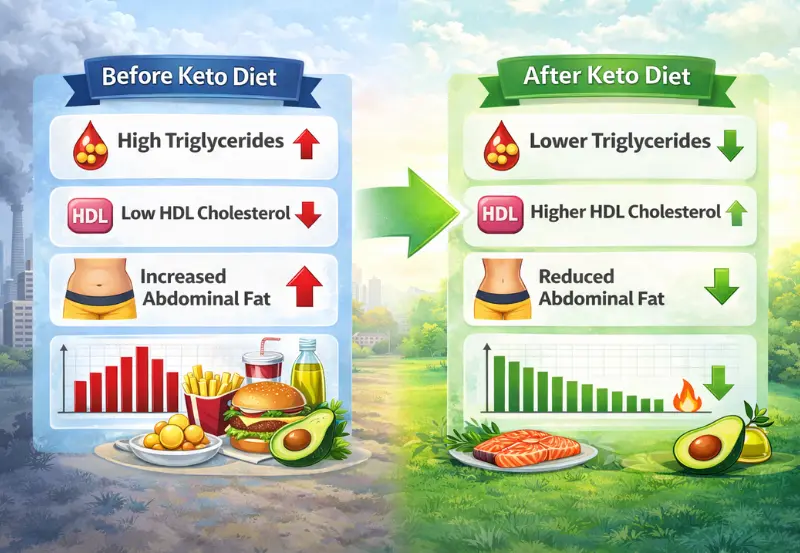
The relationship between keto and heart health is complex. Some studies show improvements in triglycerides and HDL cholesterol levels.
Possible metabolic improvements include:
- Lower triglycerides
- Increased HDL (good cholesterol)
- Reduced abdominal fat
- Improved metabolic syndrome markers
However, LDL cholesterol responses vary between individuals. Some people experience increases, especially when consuming large amounts of saturated fats.
This is why food quality matters. Emphasizing whole foods such as olive oil, avocados, nuts, seeds, and fatty fish may support better cardiovascular outcomes compared to processed high-fat options.
Keto Diet Recipes That Support Long Term Success
Sustainability depends heavily on food variety. Well-structured keto diet recipes prevent boredom and nutrient deficiencies.
Balanced keto meals typically include:
- Healthy fats (olive oil, avocado, coconut oil)
- Moderate protein (chicken, fish, eggs, beef)
- Low-carb vegetables (spinach, zucchini, broccoli, cauliflower)
- Optional dairy (cheese, Greek yogurt)
Examples of practical keto diet recipes:
- Grilled salmon with garlic butter and asparagus
- Zucchini noodles with creamy pesto chicken
- Cauliflower rice stir fry with ground beef
- Egg muffins with spinach and cheese
- Avocado and grilled chicken salad
Meal planning prevents reliance on processed “keto snacks,” which can slow progress. Whole-food based keto diet recipes maximize micronutrients while maintaining ketosis.
Keto Diet Advantages and Disadvantages
To understand the full picture, we must evaluate keto diet advantages and disadvantages objectively.
Advantages
- Rapid initial weight loss
- Appetite suppression
- Improved blood sugar control
- Reduced sugar cravings
- Possible improvements in triglycerides
Disadvantages
- Initial adaptation symptoms
- Social eating challenges
- Possible nutrient gaps
- Increased LDL cholesterol in some individuals
- Difficult long-term adherence for some people
Recognizing keto diet advantages and disadvantages allows individuals to make informed decisions rather than following trends blindly.
No diet is universally perfect. Personalization matters.
Why Is Keto Diet Bad for Some People
A common search query is Why is keto diet bad. The answer depends on individual context rather than universal condemnation.
Potential concerns include:
- Nutrient deficiencies if vegetables are limited
- Digestive issues from low fiber intake
- Hormonal disruption in extreme calorie restriction
- Unsuitable for individuals with liver disease
- Risky for people with eating disorder history
In some cases, people follow a poorly designed version of keto high in processed meats and low in micronutrients. This can negatively impact long-term health.
Additionally, highly active individuals may struggle with performance if carbohydrates are too restricted.
Understanding why is keto diet bad for certain populations prevents oversimplification. The issue is not ketosis itself, but improper implementation.
Keto and Sustainable Weight Maintenance
While keto diet benefits for weight loss are well known, maintenance requires strategic planning.
Long-term success depends on:
- Calorie awareness
- Consistent protein intake
- Resistance training
- Adequate fiber from vegetables
- Avoiding ultra-processed keto products
Some individuals transition from strict keto to moderate low-carb after reaching their weight goal. This flexibility may improve sustainability.
Weight loss is not only about ketosis. It is about long-term energy balance and metabolic health.

Common Myths About Keto Diet Benefits
There are several misconceptions surrounding keto diet benefits.
Myth 1 Keto Means Unlimited Fat
Calories still matter. Overeating fat can stall weight loss.
Myth 2 Carbs Are Always Bad
Carbohydrates from whole foods can be part of a balanced diet for many people.
Myth 3 Keto Works for Everyone
Individual responses vary due to genetics, lifestyle, and metabolic health.
Myth 4 Keto Is a Quick Fix
Sustainable results require consistency and lifestyle change.
Clearing these myths helps people adopt realistic expectations.
Who Should Avoid or Modify Keto
Certain individuals should approach keto cautiously:
- Pregnant or breastfeeding women
- People with kidney disease
- Individuals with liver disorders
- Those on glucose-lowering medications
- People with history of disordered eating
Medical supervision is strongly recommended for anyone with chronic health conditions.
Keto can be powerful, but safety should always come first.
Practical Tips to Maximize Keto Diet Benefits
If you want to optimize keto diet benefits safely:
- Focus on whole foods
- Track carbohydrate intake accurately
- Drink adequate water
- Maintain electrolyte balance
- Prioritize sleep and stress management
- Incorporate strength training
Lifestyle factors amplify dietary results. Keto alone is not a magic solution.
Consistency determines outcomes more than perfection.
Final Thoughts
However, keto diet advantages and disadvantages must both be considered. It may not be suitable for everyone, and understanding why is keto diet bad in certain situations helps prevent unrealistic expectations.
Well-planned keto diet recipes built around whole foods improve sustainability and reduce potential nutrient deficiencies.
Ultimately, keto diet benefits for weight loss are real, but long-term success depends on education, moderation, and personalization.
A strategic, informed approach produces better results than blind restriction.