



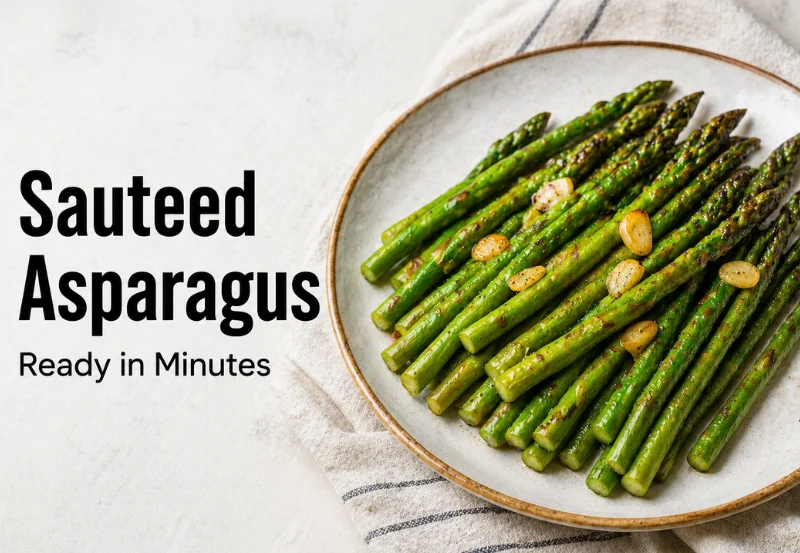
Why This Simple Asparagus Recipe Works Every Time
If you’ve ever tried cooking sauteed asparagus and ended up with something soggy, overcooked, or just plain boring, you’re definitely not alone. I’ve had the same experience in the past, especially when I treated asparagus like any other vegetable without paying attention to how quickly it cooks.
In my experience, what makes this sauteed asparagus recipe work so well is the balance between simplicity and technique. You’re not relying on heavy sauces or complicated ingredients. Instead, you’re focusing on getting the basics right—heat, timing, and seasoning.
Once you understand those small details, everything becomes easier. You stop guessing and start getting consistent results. That’s why I personally come back to this recipe again and again—it’s reliable, quick, and fits perfectly into everyday cooking.
What You’ll Need Before You Start Cooking
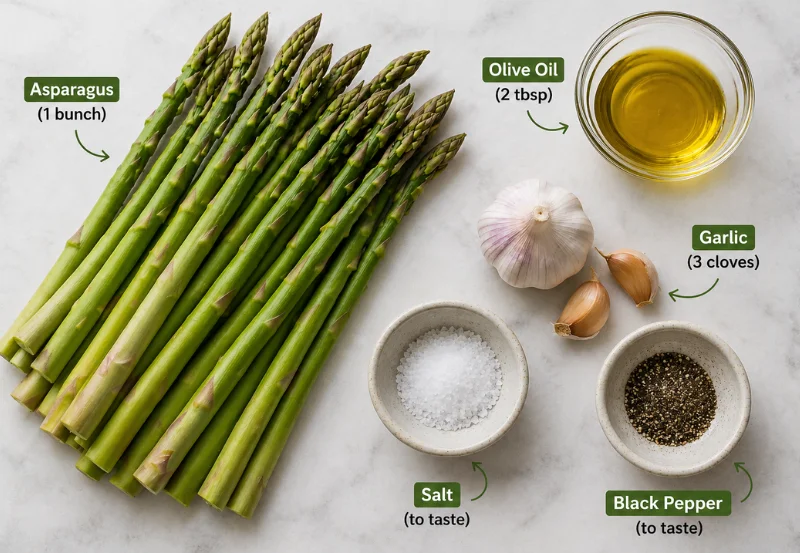
Before you even turn on the stove, having everything ready makes a big difference. This is a fast recipe, so once you start cooking, things move quickly. If you’re still chopping or looking for ingredients midway, it can affect the final result.
You’ll need:
- Fresh asparagus
- Olive oil or butter
- Garlic (optional, but highly recommended)
- Salt
- Black pepper
From what I’ve seen, fresh sauteed asparagus really changes the outcome. When you pick good-quality asparagus, you get better texture and flavor without needing to add much. Look for stalks that are firm and bright green, with tightly closed tips. Those small signs usually tell you you’re working with fresh produce.
In my opinion, keeping the ingredient list simple is actually a strength of this recipe. It allows the natural flavor of asparagus to stand out instead of being hidden under too many additions.
Preparing Asparagus the Right Way
Preparation might seem like a small step, but it plays a bigger role than most people think. If you skip proper prep, even a good cooking method won’t give you the best results.
Start by rinsing the asparagus under cold water to remove any dirt. After that, focus on trimming the ends. The bottom part of asparagus is usually tough and fibrous, which can ruin the texture if left on.
One method I always recommend is snapping the asparagus instead of cutting it. Hold each stalk and bend it gently—it naturally breaks where the tough part ends. In my experience, this method is simple and more accurate than trying to guess where to cut.
Once trimmed, you can leave the stalks whole or cut them into smaller pieces depending on how you want to serve them. Either way, this step sets the foundation for a better final dish.
How to Cook Sauteed Asparagus on the Stove
Cooking sauteed asparagus on the stove is one of the easiest and fastest methods, but timing is everything here. You don’t need high heat or complicated steps—just controlled cooking and attention.
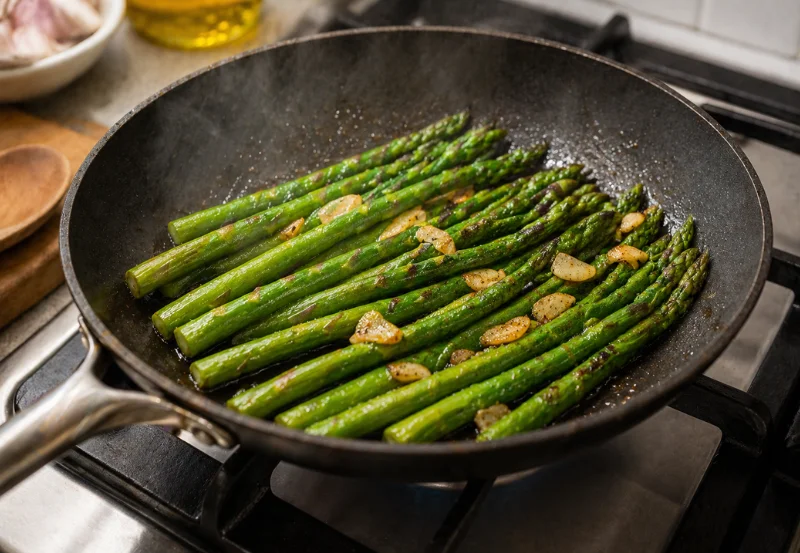
Start by heating a pan over medium heat. Add a small amount of olive oil or butter, then place the asparagus in a single layer. This part is important because overcrowding the pan prevents proper sautéing.
As the asparagus cooks, you’ll notice it turning a brighter green. That’s a good sign. It means the vegetable is cooking while still maintaining its freshness.
Stir occasionally, but don’t overdo it. Letting it sit for a bit helps develop slight browning, which adds flavor. Toward the end, add garlic, salt, and pepper so the seasoning blends well without burning.
In my experience, this method is what makes it a true quick asparagus recipe. You get great results in under 10 minutes without any complicated steps.
Getting the Texture Just Right
Texture is probably the most important part of this recipe. You can have the right ingredients and seasoning, but if the texture is off, the dish won’t feel right.
The goal is to keep the asparagus tender while still having a slight bite. It shouldn’t feel raw, but it also shouldn’t be soft or mushy.
What I usually look for is a balance:
- The asparagus should bend slightly but not collapse
- The color should stay bright green
- There should be a slight crispness when you bite into it
In my experience, the easiest way to mess this up is by overcooking. It happens quickly, especially if you leave it on the heat too long. That’s why I always recommend keeping an eye on it and removing it as soon as it reaches the right texture.
Adding Garlic for Extra Flavor
Garlic is one of those ingredients that can completely change the flavor of a dish, even when used in small amounts. When you add it to this recipe, it turns basic asparagus into something much more flavorful.
For a garlic sauteed asparagus, timing is key. Add minced garlic during the last couple of minutes of cooking. This allows it to release its flavor without burning.
If you add garlic too early, it can turn bitter, which affects the entire dish. From my experience, adding it toward the end gives you a cleaner, more balanced taste.
You can also enhance the flavor by adding small extras like lemon juice or a sprinkle of parmesan. These additions don’t complicate the recipe but give you variety when you want something slightly different.
Why This Makes a Perfect Side Dish
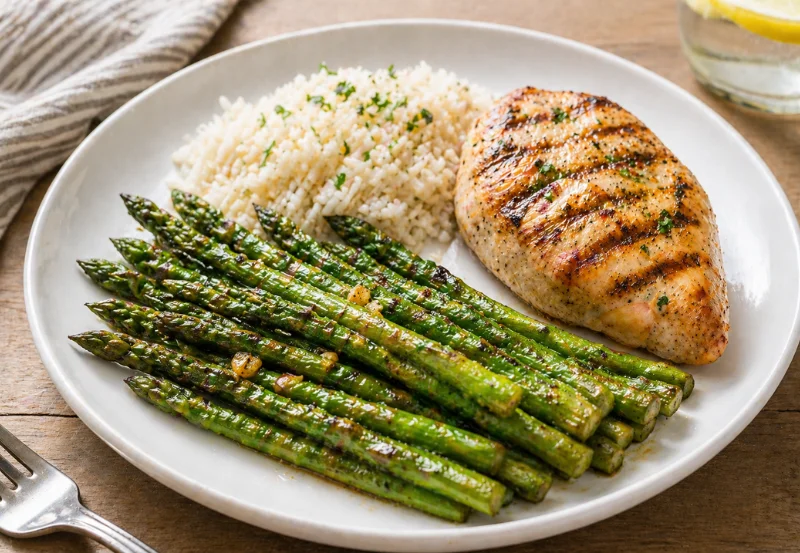
One of the biggest advantages of this recipe is how easily it fits into different meals. It’s not heavy, it doesn’t overpower other dishes, and it complements a wide range of main courses.
This works as an easy vegetable side dish for almost anything. Whether you’re cooking chicken, steak, fish, or even a simple rice dish, asparagus fits right in.
In my opinion, having a reliable side dish like this makes cooking much easier. You don’t have to think too much about what to pair with your meal because this works in most situations.
Keeping It Healthy Without Losing Flavor
A lot of people assume that healthy recipes lack flavor, but this is a good example of how that’s not always true.
This healthy asparagus recipe keeps things simple while still tasting great. You’re not adding heavy sauces or unnecessary ingredients, which keeps it light.
Using olive oil instead of processed fats, along with fresh garlic and minimal seasoning, allows the natural flavor to stand out. In my experience, this is what makes healthy cooking more enjoyable—you’re not forcing it, you’re just cooking smart.
Common Mistakes to Avoid
Even simple recipes can go wrong if you overlook a few details. I’ve made these mistakes myself, so I know how easily they can affect the outcome.
One common issue is overcrowding the pan. When too many pieces are added at once, the asparagus starts steaming instead of sautéing.
Another mistake is using heat that’s too high. This can burn the outside while leaving the inside undercooked.
Adding garlic too early is another problem. It cooks quickly and can become bitter if not handled properly.
From my experience, avoiding these mistakes is just as important as following the recipe itself.
Quick Tips for Better Results
Once you’ve made this recipe a few times, small improvements can make a noticeable difference.
Here are a few things I always follow:
- Keep the heat at medium for better control
- Avoid overcrowding the pan
- Stir occasionally instead of constantly
- Add seasoning toward the end
These small adjustments help you get consistent results every time without changing the recipe itself.
How to Serve It in Different Ways
What I like most about this recipe is how flexible it is. Once you’re comfortable with it, you can use it in different ways depending on your meal.
You can serve it on its own as a side, mix it into pasta, or even add it to salads. It also works well with eggs, making it a good option for breakfast or brunch.
In my experience, recipes like this are more useful because they’re not limited to one purpose. You can adapt them based on what you need.
Why This Recipe Is Worth Keeping
Not every recipe becomes part of your regular routine, but this one has a good chance of doing that. It’s simple, quick, and doesn’t require much effort.
What makes it stand out is how practical it is. You don’t need special skills or equipment, and it works with ingredients you probably already have.
In my opinion, the best recipes are the ones you can rely on without thinking too much. This is one of those recipes.
Final Thoughts
If you’re looking for a simple way to cook asparagus that actually tastes good, this is it. It’s quick, easy, and doesn’t require complicated steps.
Once you understand the basics, you’ll be able to make this sauteed asparagus consistently without any guesswork.
And honestly, once you get it right, this becomes one of those recipes you’ll use again and again because it fits so easily into everyday meals.