



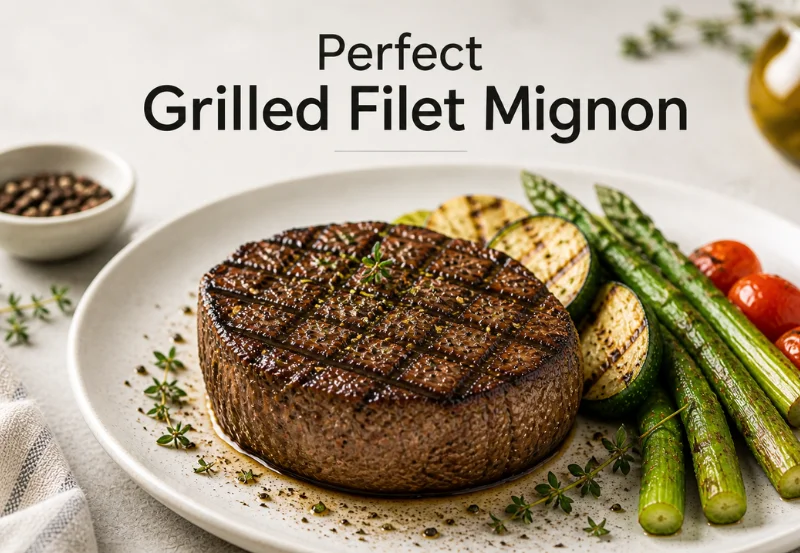
Getting It Right From the Start
If I’m being honest, grilled filet mignon feels harder than it actually is. The first time I made grilled filet mignon, I wasn’t lacking instructions—I was lacking confidence. I kept checking it, flipping it too much, and in the end, I overcooked it.
That’s the thing with this cut. It’s not about doing more—it’s about doing the right things at the right time when making grilled filet mignon.
In my experience, once you understand how heat works with this type of steak, everything becomes predictable. You stop reacting and start controlling the process. That’s when you really learn how to grill filet mignon instead of just following steps blindly.
Before It Hits the Grill
This part doesn’t get enough attention, but it’s where consistency starts with grilled filet mignon.
Taking the steak straight from the fridge and putting it on high heat creates uneven cooking. The outside cooks too quickly, while the inside struggles to catch up.
What I always do is let it sit at room temperature for about 20 to 30 minutes. This small adjustment allows the steak to cook more evenly from edge to center, which is key for perfect grilled filet mignon.
Seasoning also matters, but not in a complicated way. Filet mignon doesn’t need layers of spices. In fact, keeping it simple usually gives better results because you’re not masking the natural flavor.
What works best:
- Salt just before grilling
- Black pepper for balance
- Optional light garlic or butter finish
In my opinion, restraint is what makes filet mignon stand out.
Choosing the Right Cut
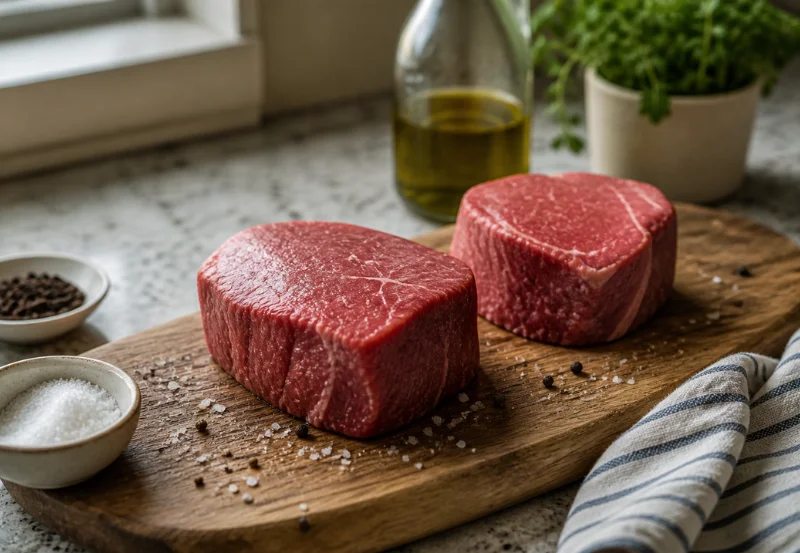
Not all filet mignon cuts cook the same, and this is something I didn’t pay attention to in the beginning when making grilled filet mignon.
I used to just grab whatever looked decent, but over time I realized the cut itself plays a huge role in the final result.
What I’ve learned is that thickness matters more than anything else. Thinner cuts cook too quickly and give you almost no control, while thicker cuts give you time to manage heat and doneness properly.
Here’s what I usually look for:
- Around 1.5 to 2 inches thick
- Even shape for consistent cooking
- Bright red color (freshness indicator)
- Slight marbling, even though it’s a lean cut
In my experience, once you start choosing better cuts, everything else becomes easier. You don’t have to fight the cooking process—it works with you.
What You’re Actually Working With
Understanding the cut changes how you cook grilled filet mignon.
Filet mignon is naturally tender, but it’s also lean. That means it doesn’t have the fat protection that other steaks do. Because of that, it reacts quickly to heat and can dry out faster if you’re not careful.
Here’s what makes it different:
- It has very little fat, so it needs controlled cooking
- It’s thick, which makes timing more important than thin cuts
- It cooks faster in the center than expected
- It doesn’t need aggressive heat for long periods
Once you understand these points, your approach changes automatically. That’s what leads to a proper juicy filet mignon recipe instead of something inconsistent.
The Grill Setup That Actually Works
One of the biggest improvements I made was changing how I used the grill for grilled filet mignon.
Instead of cooking everything on one heat level, I started using two zones. This gives you control instead of forcing everything to cook at once.
Here’s how I set it up:
- One side on high heat for searing
- One side on medium or indirect heat for finishing
- Preheat properly before placing the steak
- Keep the lid closed as much as possible
This setup gives you flexibility. You’re not stuck guessing—you’re adjusting based on how the steak reacts.
In my experience, this is the best way to cook filet mignon on grill if you want consistent results with grilled filet mignon.
Putting It on the Grill
This is where most people start rushing, but it’s actually the part where patience matters the most when cooking grilled filet mignon.
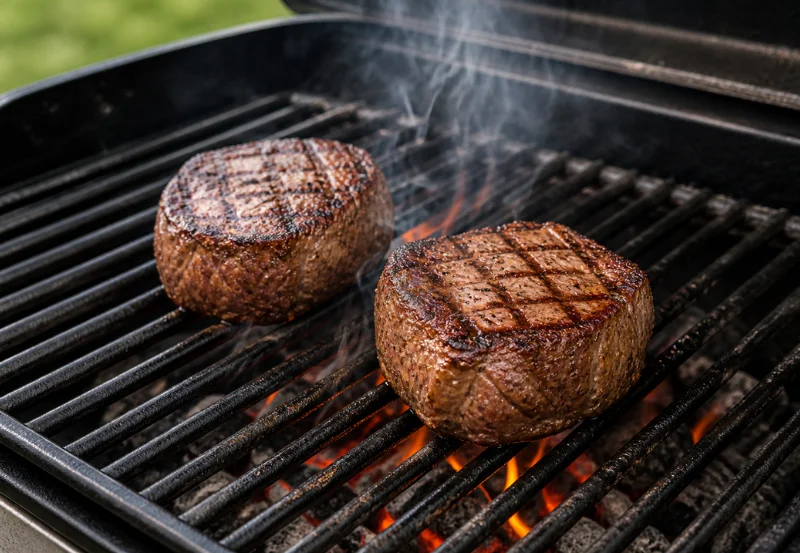
When the steak hits the grill, let it sit. That first contact with heat is what builds the crust. If you move it too soon, you lose that texture.
After a few minutes, flip it once. That’s enough. Flipping multiple times doesn’t improve cooking—it just interrupts the process.
Once both sides are seared, move the steak to the cooler side of the grill. This is where the inside cooks gently without burning the outside.
From my experience, this is where grilled filet mignon either turns out perfectly juicy or slightly overdone depending on your patience.
Doneness Without Guessing
This is where confidence really builds when cooking grilled filet mignon. Instead of guessing, you rely on clear indicators.
Doneness | Internal Temp | Grill Time (per side) | When to Check | Texture |
Rare | 120°F | 2–3 minutes | Start checking at 4 minutes total | Very soft center |
Medium Rare | 130°F | 3–4 minutes | Check around 5–6 minutes total | Juicy and tender |
Medium | 140°F | 4–5 minutes | Check around 6–8 minutes total | Slightly firm |
Medium Well | 150°F | 5–6 minutes | Check around 8–10 minutes total | Firm texture |
Using a thermometer removes uncertainty. You don’t have to press the steak or guess based on time.
In my experience, medium rare gives the best balance. It keeps the steak tender without losing flavor.
What Usually Goes Wrong
Most mistakes don’t come from lack of effort—they come from small details being ignored while making grilled filet mignon.
Here are the most common ones:
- Cooking straight from the fridge
- Using high heat for the entire time
- Flipping too often
- Skipping the resting step
- Leaving it on “just a bit longer”
That last one is the most common. People worry about undercooking, so they overcook instead.
Fixing these small issues improves results immediately.
Small Things That Matter
Once you’ve cooked grilled filet mignon a few times, you start noticing that the difference isn’t in big steps—it’s in small adjustments.
Here are the ones that make the biggest impact:
- Let the steak rest before slicing
- Keep seasoning minimal
- Use a thermometer for accuracy
- Avoid pressing the steak while cooking
- Give each side enough time to develop crust
These details might seem minor, but in my experience, they’re what create consistency.
Keeping It Juicy
This is what everyone wants, and it’s easier than it seems once you stop overcomplicating grilled filet mignon.
Juiciness isn’t something you add—it’s something you preserve.
That means:
- Don’t overcook
- Don’t rush the process
- Always let it rest
When grilled filet mignon is cooked this way, you don’t need heavy sauces—the flavor stands on its own.
That’s what makes it a true keto grilled steak recipe.
Letting It Rest Properly
This is one of those steps that people know about but still rush through.
After grilling, the steak needs time to rest. I used to skip this because I wanted to cut into it right away, but that’s exactly what caused the juices to run out.
When you let it rest for about 5 to 7 minutes, something important happens. The juices redistribute inside the steak instead of spilling out onto the plate.
Here’s what resting does:
- Keeps the inside moist
- Improves texture
- Makes each bite more consistent
- Prevents dryness even if slightly overcooked
In my experience, this step alone can turn an average result into something much better. It doesn’t take extra effort—just a bit of patience.
How I Usually Serve It
Serving filet mignon doesn’t need to be complicated.
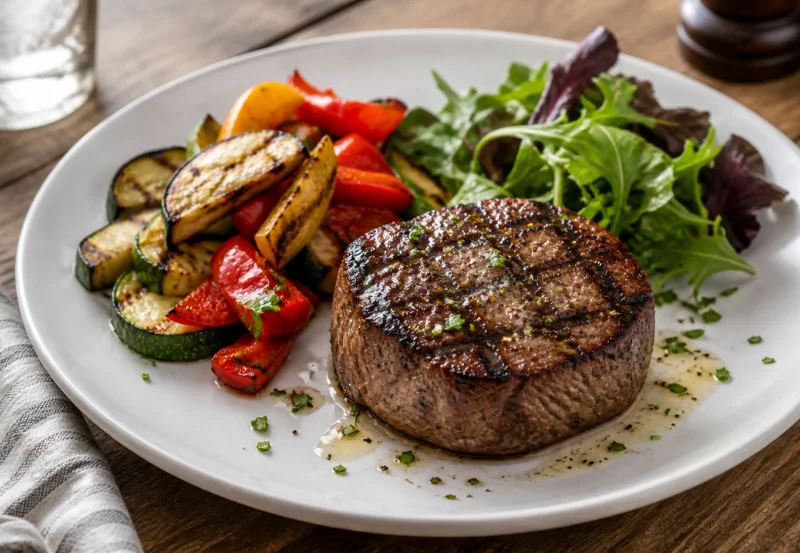
I usually keep it simple because the steak should be the focus. Heavy sides or strong flavors take away from that.
What works best:
- Light grilled vegetables
- Fresh salad
- Butter or herbs for finishing
- Simple low-carb sides
In my opinion, keeping the plate clean makes the meal feel more balanced and enjoyable.
Final Thoughts
If grilled filet mignon has ever felt complicated, it really comes down to a few simple things.
Once you understand how heat, timing, and resting work together, everything becomes easier. You stop worrying about ruining it and start trusting the process.
In my experience, this is one of those recipes that looks impressive but becomes simple once you’ve done it a few times.
And that’s what makes it worth learning.